Products
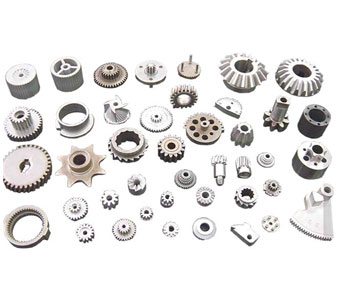
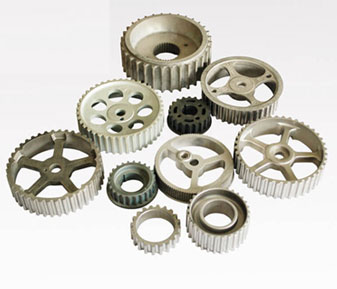
Powder Metal Components MIM & Sintering
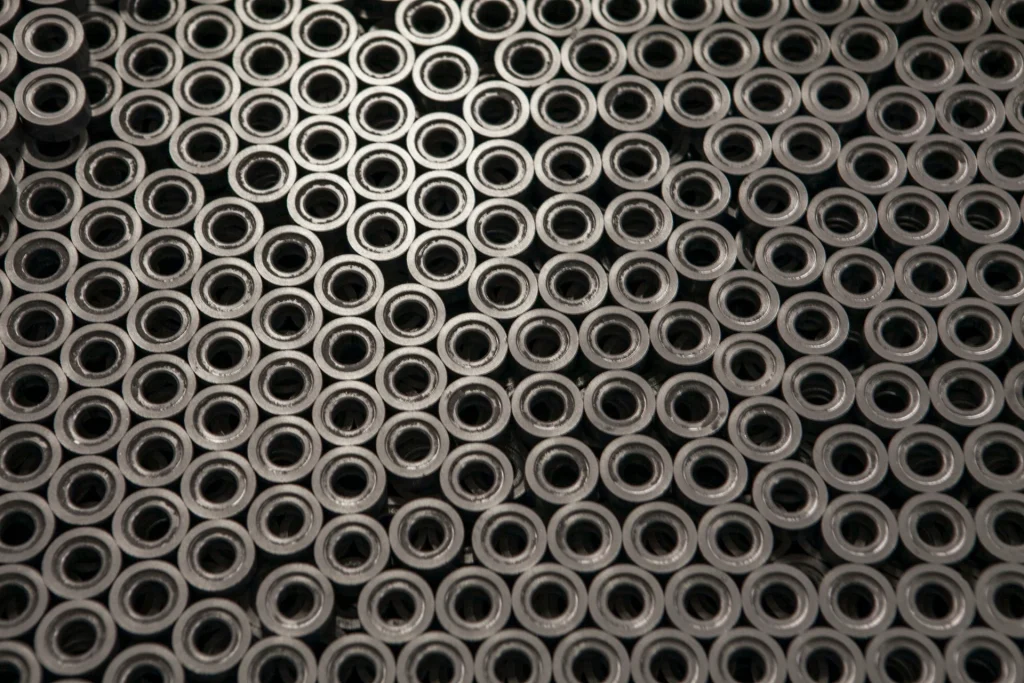
Sintering
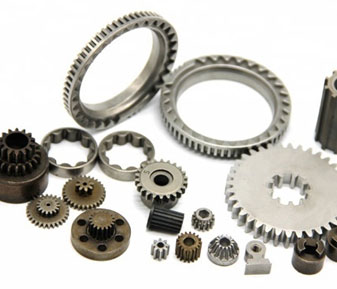
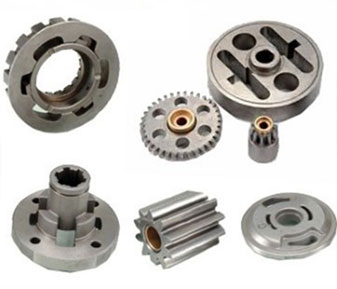
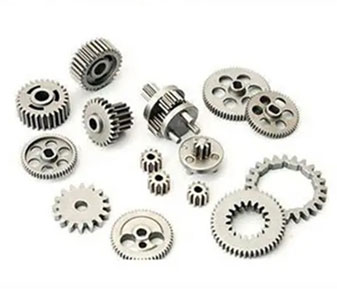
Sintering is a processing technique employed to produce density-controlled materials and components from metal or/and ceramic powders by heat or pressure without melting them to the point of liquefaction.
The process produces solid, dense near net shape components which require a minimal amount of finishing.
The metal powder is blended, to achieve the desired composition to yield the desired shape and mechanical properties, compacted in a vertical press then passed through a sintering oven where the compacted shape is heated to just below the materials melting point to allow the particles to bind together forming a component in the desired configuration
Sintering Advantages
- Large volumes = lower prices
- Little material wastage
- Consistent dimensional stability Forming pressure is applied in an axial direction
- Subsequent CNC machining can produce more complex 3D components
- Mechanical strength is dependant and the alloy powder selected and the degree of compaction and resultant density.
Sintered Components Advantages
- Allows for the production of complex geometry components that would not be possible using conventional manufacturing methods.
- Good dimensional accuracy
- Good repeatability
- Low waste
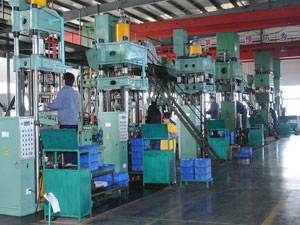
Sintering Press Line
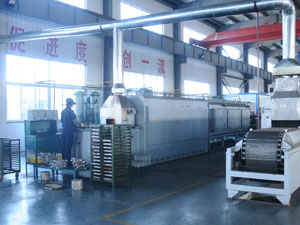
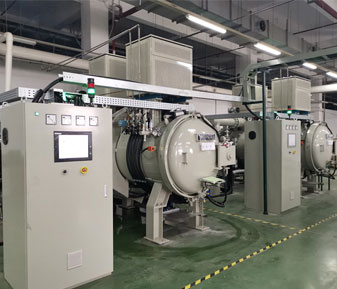
Sinter Ovens
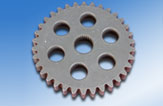
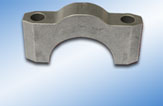
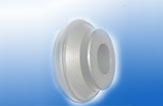
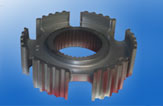
MIM
Fe-based alloy steel, stainless steel, nickel-based alloys, tungsten alloy, carbide, titanium, magnetic materials, Kovar alloy, fine ceramics, etc..
Fe-2Ni, Fe-8Ni; 316L,17-4PH ;WC-Co; Al2O3, ZrO, SiO2; W-Ni-Fe, W-Ni-Cu, W-Cu; Ti,Ti-6Al-4V; Fe, Fe14Nd2B, SmCo5
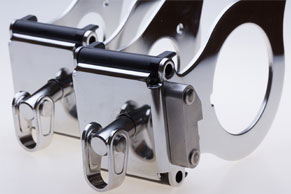
MIM Components
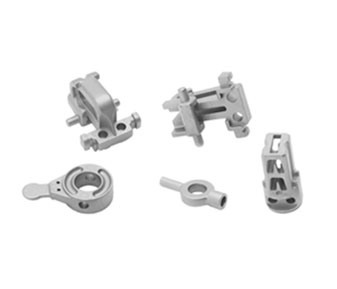
Metal Injection Moulding (MIM), also known as Powdered Injection Moulding (PIM), is a sophisticated metal forming technology that use injection moulding equipment to produce both basic and complicated metal parts with tight tolerances. MIM can be utilized on a variety of components, although the best ones are often small and weigh less than 100 grams, however larger parts are conceivable. Other metal forming techniques, such as investment casting and machining, can be replaced by the MIM metal injection molding process.
Metal Injection Moulding Parts Advantages:
- Geometries that are complicated Material utilization that is efficient
- As a result of manufacturing near net form components, there is less material waste, therefore it is considered a green technology.
- Repeatability
- Mechanical properties are excellent.
- Unique materials created to fulfil component/application requirements are used to provide customized solutions.
- For complete assembly solutions, MPP materials can be brazed/joined to a variety of components.
MIM Process Key Attributes:
Powder injection moulding process is a reproducible technique for complex high-temperature alloy components.
Metal injection moulding parts are nearly completely dense, resulting in outstanding mechanical, magnetic, corrosion, and hermetic sealing qualities, as well as the ability to execute secondary processes such as plating, heat treatment, and machining.
Innovative tooling techniques, similar to those used in the plastic injection moulding industry, are employed to create complex shapes.
Multi-cavity tooling is used to achieve high quantities.