
Products
Castings
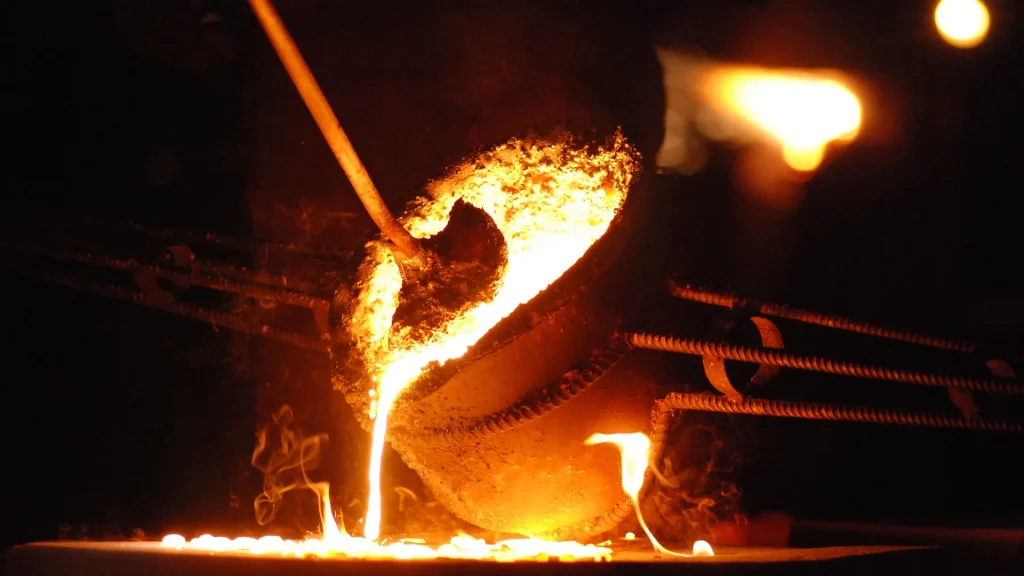
Sinotech are able to supply components produced by various casting processes including but not limited to
Low Pressure Die Casting
High Pressure Die Casting
Sand Casting
Investment Casting – (Water Glass & Silica Sol )
Shell Moulding.
Die Casting – Low Pressure
Materials
- Magnesium Alloys
- Aluminium Aloys
- Copper and its alloys
Specifications
- Tolerances Generally to CT8
- Weight range 30g to 80 kg
- Draft angle dependant on component geometry but typically 1-3° Uniform wall thickness > = 3 mm is preferred to minimise differential cooling and porosity
Surface Treatment Available
- Electroplate
- Anodising
- Painting and Powder Coat
- Shot / Sand Blasting
Die Casting – High Pressure
Materials
- Magnesium Alloys
- Aluminium Aloys
- Zinc Alloys
Specifications
- Tolerances Generally to CT6
- Weight range 30g to 10 kg
- Wall thickness dependant on component geometry but 2.5mm min to 10mm max
- Draft angle dependant on component geometry but 0.5° minimum
Surface Treatment Available
- Electroplate
- Anodising
- Painting and Powder Coat
- Shot / Sand Blasting
Sand Casting
This process is typically used to make larger components. The molten metal is poured into a prepared cavity formed out of sand. The Green Sand Mould process – is commonly used in the casting of aluminium, brass/bronze, and iron products. The term “green sand” is known principally because of the moisture content within the sand. The sand undergoes a “mulling” process in which various clay and chemical additives that act as binders are blended with the sand, which results in a compound which is suitable for the sand moulding process.
Materials
- Ductile IRON, ADI Iron
- Grey Iron
- Stainless
- Non Ferrous
Specifications
- Tolerances Generally to CT10
- Min weight 0.2kg
- Draft angle +/- 1.5°
- Uniform wall thickness 6-8mm is preferred to minimise differential cooling and porosity
- Uniform wall thickness > = 3 mm is preferred to minimise differential cooling and porosity
Surface Treatment Available
- Electroplate
- Hot Dip Galvanising
- Painting and Powder Coat
- Shot / Sand Blasting
Investment Casting – Silica sol
Silica sol casting is a typical high precision investment casting process for stainless steel investment castings. The main steps in the silica sol casting are mould design and manufacture-wax impression production, tree assembling, dewaxing, pouring, grinding-heat treatment-inspection-packing. Sinotech can supply silica sol castings in the range 0.1kg – 120kg.
Materials
- Stainless Steel
- Carbon & Tool Steel
- Non Ferrous Alloys
Specifications
- Tolerances Generally to CT6
- Weight 100g to 120kg
- Draft angle dependant on component geometry but typically 1-3°
- Uniform wall thickness > = 3 mm is preferred to minimise differential cooling and porosity
Surface Treatment Available
- Electroplate
- Hot Dip Galvanising
- Painting and Powder Coat
- Shot / Sand Blasting / Polishing is one of the most important surface treatments for silica sol castings. With polishing, the surface of castings will be smooth and bright. Surface roughness can reach Ra0.63-0.01. Commonly used polishing methods for silica sol castings are mirror polishing and electrochemical polishing.
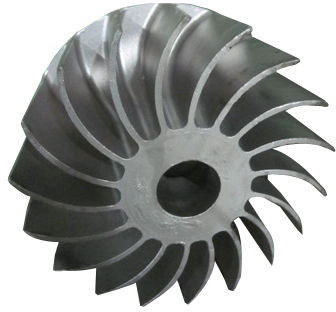
Applications for Silica Sol Castings
The main products for silica sol castings are as follows:
Valve Castings
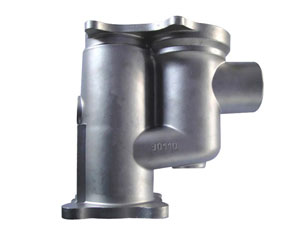
Pump Castings
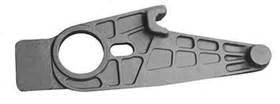
Impeller Castings
Food Machinery Castings
CNC Lathe Castings
Casting – Shell Moulding
Shell mould casting is a metal casting process similar to sand casting, in that molten metal is poured into an expendable mould. However, in shell mould casting, the mould is a thin-walled shell created from applying a sand-resin mixture around a pattern resulting in smooth surface finish Ra50 – 100 and a higher accuracy than sand casting.
Materials
- Stainless Steel
- Carbon & Tool Steel
- Non Ferrous Alloys
Specifications
- Tolerances Generally to CT9
- Weight 200g to 750kg
- Draft angle dependant on component geometry but typically 1-3°
- Uniform wall thickness > = 4 mm is preferred to minimise differential cooling and porosity
Surface Treatment Available
- Electroplate
- Hot Dip Galvanising
- Painting and Powder Coat
- Shot / Sand Blasting.
Casting Tolerances ISO8062
| Dimension (mm) | Tolerance + / – (mm) | ||||||
| Gravity Die Casting | |||||||
| Lost Wax | |||||||
| Sand Casting | |||||||
| Over | Up to & Including | CT6 | CT7 | CT8 | CT9 | CT10 | CT11 |
| 0 | 10 | 0.52 | 0.74 | 1.0 | 1.5 | 2.0 | 2.8 |
| 10 | 16 | 0.54 | 0.78 | 1.1 | 1.6 | 2.2 | 3.0 |
| 16 | 25 | 0.58 | 0.82 | 1.2 | 1.7 | 2.4 | 3.2 |
| 25 | 40 | 0.64 | 0.9 | 1.3 | 1.8 | 2.6 | 3.6 |
| 40 | 63 | 0.7 | 1.0 | 1.4 | 2.0 | 2.8 | 4.0 |
| 63 | 100 | 0.78 | 1.1 | 1.6 | 2.2 | 3.2 | 4.4 |
| 100 | 160 | 0.88 | 1.2 | 1.8 | 2.5 | 3.6 | 5.0 |
| 160 | 250 | 1.0 | 1.4 | 2.0 | 2.8 | 4.0 | 5.6 |
| 250 | 400 | 1.1 | 1.6 | 2.2 | 3.2 | 4.4 | 6.2 |
| 400 | 630 | 1.2 | 1.8 | 2.6 | 3.6 | 5.0 | 7.0 |